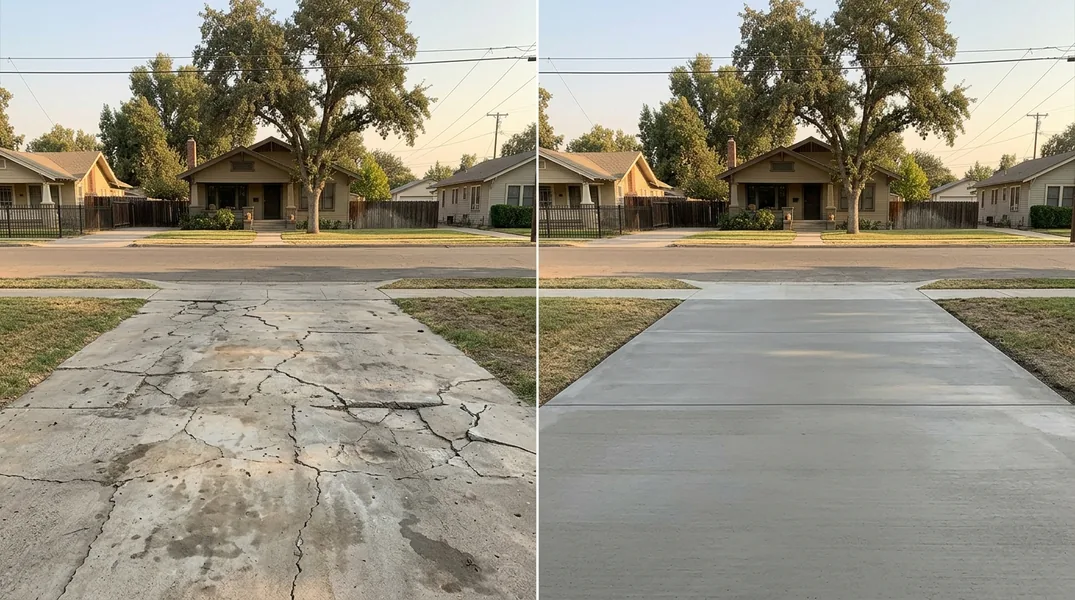
Understanding Visalia's Concrete Pouring Season
If you're planning a Concrete Driveways project in Visalia, timing is everything. The Central Valley's unique climate creates distinct seasonal challenges and opportunities for concrete work. Unlike regions with moderate year-round temperatures, Visalia experiences extreme heat in summer and cool, foggy conditions in winter that directly affect how concrete cures and sets.
Concrete doesn't simply harden on its own. It undergoes a chemical process called hydration, where cement particles bond with water to create the solid material we rely on. This process is highly sensitive to temperature and moisture. When conditions aren't ideal, you risk cracking, uneven curing, and premature deterioration. That's why understanding when to pour concrete in the Central Valley isn't just a convenience factor; it's essential for the longevity and quality of your finished project.
Spring: The Ideal Season for Concrete Work
Spring, roughly March through May, stands out as the premier season for pouring concrete in Visalia and the surrounding Central Valley. During these months, daytime temperatures typically range from 70 to 85 degrees Fahrenheit, creating near-perfect conditions for concrete curing. The moderate warmth accelerates the hydration process without causing the rapid evaporation that leads to surface cracking, while nighttime temperatures remain cool enough to allow even curing throughout the slab.
Spring also brings more predictable weather patterns compared to winter. While tule fog can still occur in early morning hours, it typically burns off by mid-morning, giving your concrete contractor a solid window for finishing work. The reduced risk of unexpected rain or frost means your newly poured concrete won't be disrupted during its critical first 24 to 48 hours. Many homeowners and contractors in the region consider spring the sweet spot for Concrete Patios, driveways, and other projects that require precision finishing.
Fall: Your Second-Best Opportunity
Fall, particularly September through November, offers another excellent window for concrete pouring in the Central Valley. As summer heat fades, temperatures gradually cool to comfortable ranges similar to spring, typically between 65 and 80 degrees Fahrenheit. This gradual cooling is actually beneficial for concrete curing because it reduces the stress on the material from rapid temperature changes. The slower, more controlled curing process often results in stronger, more durable concrete with fewer micro-cracks.
One advantage fall has over spring is reduced humidity variability. While spring can bring unexpected moisture from late-season rains, fall tends toward drier conditions as the rainy season hasn't yet begun. This makes fall particularly appealing for Stamped & Decorative Concrete projects where surface finish quality is critical. If you're considering a project that requires precision work or decorative elements, fall scheduling often delivers superior aesthetic results alongside structural integrity.
Hot Weather Concrete Curing: Why Summer Isn't Ideal
Summer in Visalia brings temperatures that frequently exceed 95 degrees Fahrenheit, sometimes climbing past 110 degrees. While this might seem like it would speed up concrete curing, the reality is far more complicated. Extreme heat causes water in the concrete mix to evaporate too quickly, preventing proper hydration of the cement. This rapid surface drying creates internal stress as the outer layer hardens while the interior is still curing, leading to visible cracking and compromised structural integrity.
Hot weather concrete curing also requires specialized techniques and constant monitoring. Contractors must use cooling measures like misting systems, shade cloths, and specially formulated concrete mixes designed to resist rapid evaporation. These additional steps increase labor costs and require expertise that not all contractors possess. The risk of failure is simply higher during summer months. If you must pour concrete during hot weather, expect higher pricing due to the extra precautions and materials required. Most homeowners find it more economical to wait for spring or fall.
Tule Fog and Winter Concrete Curing Challenges
Winter in the Central Valley presents unique challenges that many homeowners don't anticipate. Tule fog, a dense ground-level fog that forms when warm, moist air meets cold ground, can persist for hours or even days during December through February. This fog creates several problems for concrete work. First, it reduces visibility, making it difficult for contractors to finish the concrete surface properly. Second, the fog traps moisture against the concrete, slowing evaporation and extending the curing time unpredictably. Third, if temperatures drop below 50 degrees Fahrenheit, concrete hydration slows dramatically, potentially taking weeks instead of days to reach adequate strength.
Frost is another winter concern. If concrete is exposed to freezing temperatures before it fully cures, water within the material can freeze and expand, causing spalling and surface damage. While Concrete Repair & Resurfacing services can address frost damage later, prevention is always preferable. Winter concrete work in the Central Valley requires protective measures like heated tarps and accelerated curing compounds, adding significant expense. Most contractors recommend avoiding winter pours unless absolutely necessary. If you're planning a project and winter is your only option, discuss cold-weather protocols with your contractor and budget accordingly.
Planning Your Concrete Project: A Visalia Homeowner's Guide
The best approach to scheduling your concrete work is to plan ahead and book during spring or fall. Contact Visalia Concrete for a free estimate several months in advance if possible. Reputable contractors in the region fill their schedules quickly during optimal seasons, so early booking ensures you get your preferred timing. When you call (559) 471-3929, discuss your specific project, timeline, and any concerns about weather conditions. The team at Visalia Concrete can provide professional guidance based on your exact location and project type.
If you're facing a timeline constraint or unexpected project need, don't assume winter or summer work is impossible. Modern concrete technology and experienced contractors can work year-round with proper precautions. However, expect to pay more and allow extra time for curing. The investment in waiting for ideal conditions often pays dividends in the form of a durable, crack-free finished product that lasts decades. Whether you're installing a new driveway, patio, or exploring decorative options, timing your project correctly ensures the best possible outcome for your home.
Looking for a professional concrete contractor in Visalia? Visalia Concrete responds fast for all your concrete needs.
Get a Free QuoteOur services: Concrete Driveways · Concrete Patios · Stamped & Decorative Concrete